 Preparing your journey
Choosing the right safari lodge for you
12May
Choosing the right safari lodge for you
Where you sleep on safari shapes your days more than most people expect. It determines how far you drive to wildlife, how early you can leave, how many other vehicles you share sightings with, and how much of the day is spent in transit.
The main kinds of place to stay
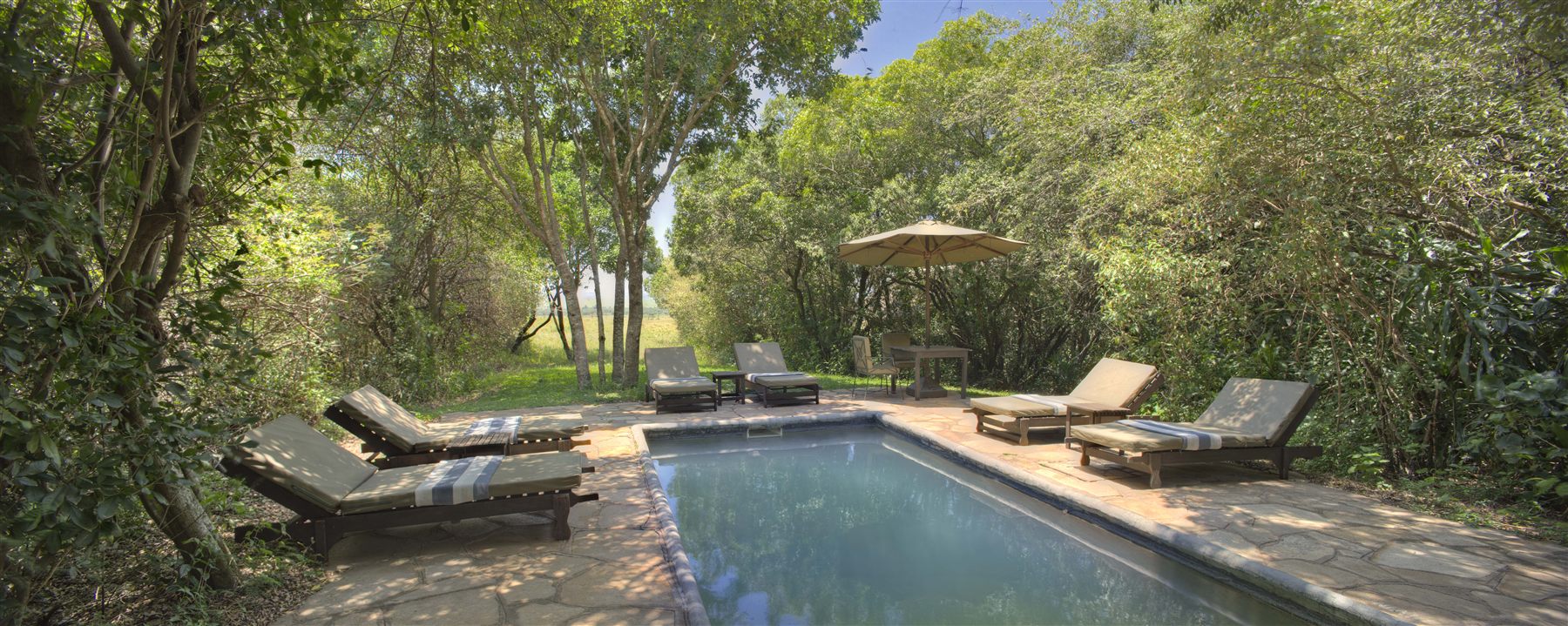
**Lodges** are permanent buildings, usually with solid walls, larger rooms, a pool and often a spa. They tend to be larger, from twenty rooms upwards, and are a good choice for families, for guests who want air conditioning, and for anyone nervous about canvas.
**Tented camps** are permanent or semi-permanent camps with proper beds, en-suite bathrooms and hot water, under canvas. They are usually small — six to twelve tents — and much closer to the sounds of the bush. The comfort at the top end is genuinely high; the word 'tent' is misleading.
**Mobile camps** move with the season, most commonly following the migration. They are simpler, remarkably well located, and need to be booked furthest in advance.
**Private houses and villas** take over an entire property with your own guide, chef and vehicle. For a family group or several couples travelling together, these are often better value per person than they first appear.
Location matters more than the room
A beautiful lodge an hour outside the park means two hours of driving before your first sighting and a hard cut-off in the evening. A simpler camp inside the reserve or in a bordering conservancy puts you in wildlife country the moment you leave your tent.
When we compare two properties for you, this is usually the first thing we look at — not the photographs of the room.
If your budget forces a choice between a grander room further out and a simpler room in the right place, we will almost always recommend the right place.
Parks, reserves and conservancies
Staying in a private or community conservancy usually costs more per night, because a conservancy fee supports the landowners and the wildlife. In return you typically get capped vehicle numbers at sightings, permission to drive off-road, night drives and guided walks — none of which are generally allowed inside national parks.
For a first safari, a mix works well: a few nights in a headline park for the scale and the classic sightings, and a few nights in a conservancy for the quieter, more flexible experience.
Understanding what is included
Rates are quoted in several different ways, and the differences are significant.
- **Full board** covers your room and all meals, but not game drives, park fees or drinks.
- **Game package** or **all-inclusive** typically adds shared game drives, park or conservancy fees and most drinks.
- **Private guiding** and a dedicated vehicle are almost always an additional cost, and usually worth it.
We always show you the full cost of a night including fees and activities, because two headline rates can be twenty minutes apart and thousands of dollars different by the end of a week.
Practical questions worth asking
- How many rooms or tents, and how many vehicles does the camp run?
- Are there family rooms, connecting rooms, or a minimum age?
- Is there power for charging through the night, and is there Wi-Fi if you need it?
- How far is the nearest airstrip, and how long is the transfer?
- What happens at the property during the rainy months?
Tell us how you like to travel — early risers or slow mornings, canvas or walls, sociable or entirely private — and we will shortlist properties that actually fit, rather than the ones that photograph best.
Ready when you are
Plan my safari Turn this into your own journey
Our East African specialists plan every safari privately, around your dates, pace and budget.